











Shopping Secure
2015 t/m 2026
Tweakers Awards
2022 t/m 2026
Website of the Year
2025 t/m 2026
Servers
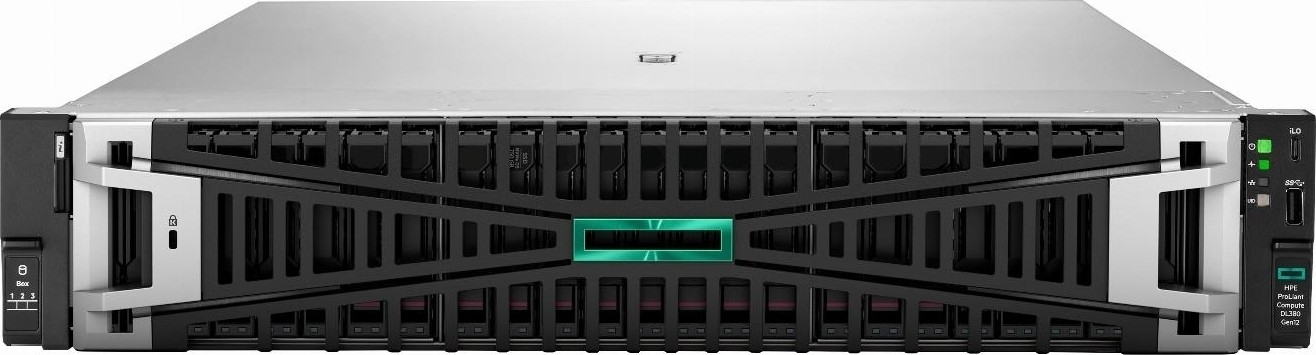
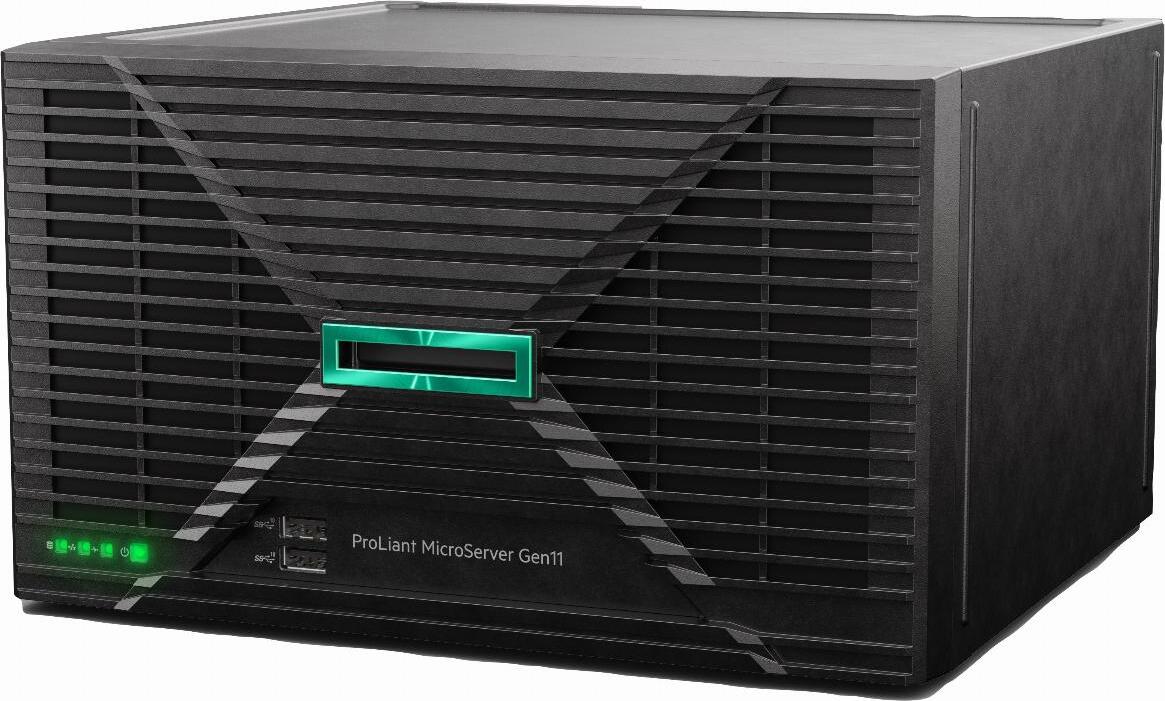
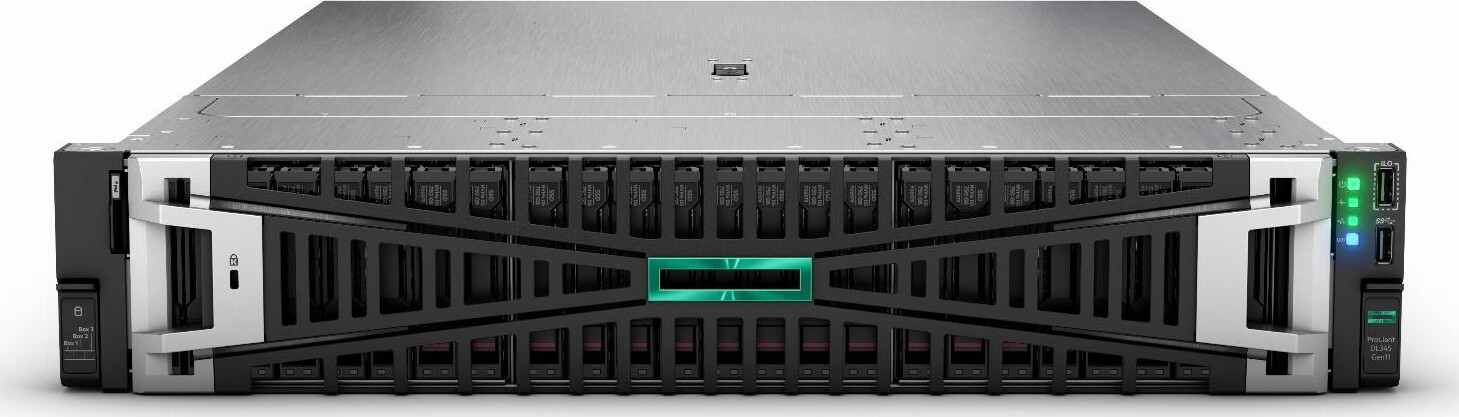
A server is a computer that provides data to other computers. It can provide data to systems on a local area network (LAN) or a wide area network (WAN) over the Internet. Many types of businesses and organizations use servers. For example, most offices have a file server to store electronic files and an e-mail server to speed up sending and receiving e-mail. Large companies often have thousands of servers in different locations around the world. When people talk about "the cloud", they usually mean remote servers that are used to store, process and manage data. The main advantage of using a server is that it can be accessed by many people at the same time. This helps companies save time and money by sharing resources between employees. In addition, servers are usually more secure than individual computers because they can be centrally managed and monitored.
Need help choosing?
How can I help you?
Product list changed. Ask again for these products.
- Ordered before 17.00, shipped for free today
- 14 days reflection period
- Ordered before 17.00, shipped for free today
- 14 days reflection period
- Ordered before 17.00, shipped for free today
- 14 days reflection period
- Ordered before 17.00, shipped for free today
- 14 days reflection period
Need help choosing?(at the end of the list)
How can I help you?
Product list changed. Ask again for these products.
Advantages of your own server
When it comes to computers, there are many different ways to set up your system. One option is to use a server provided by a company, such as Google or Microsoft. However, there are also advantages to setting up your own server. First, you have full control over your data. This means you can choose who can access it and how it is used. In addition, you can customize your server to your specific needs. You can also keep your data more secure as it is not stored on a shared server. In short, setting up your own server has many advantages that can be beneficial for both individuals and companies.
What to look for when purchasing a server
When buying a server, there are several factors to keep in mind to get the best value for your money. First, determine what type of server you need. For example, if you run a small business, you may not need the same power and storage as a large enterprise. Second, think about what operating system you will be using. Windows and Linux are the most common options, but many specialized server distributions are also available. Third, calculate your needs in terms of CPU, memory, and storage capacity. Finally, compare prices between different suppliers to find the best deal. By taking these factors into account, you can be sure to find a server that meets your needs at a price that fits your budget.